








While one person following a WFPB diet may eat no animal products, another may eat small amounts of eggs, poultry, seafood, meat, or dairy. Animal fats typically contain higher levels of saturated fats, which raise low-density lipoproteins (LDL) levels. Commonly known as “bad” cholesterol, it can collect in the walls of blood vessels and increase your chances of heart disease. If we all eliminated meat and milk from our diets and went to plant sources of these foods, we would be saving at least 50% of our water use. We would be saving untouched habitats (Rainforests, marshes) from being destroyed to produce more livestock feed, and we would be creating less pollution in our waterways, streams, and oceans that indirectly threaten human, animal, and plant lives. The key to weight loss is still to eat mostly high-fiber, whole or minimally processed, less calorie-dense plant foods in moderation instead of only reducing calories.
The Benefits of a Plant-based Diet
That’s ok—it’s probably time to reinvent your favorite (or new!) plant foods by enhancing their flavors. Try adding spicy seasonings, garlic, extra-virgin olive oil, lime juice, or chopped herbs like cilantro and thyme. For extra flair, get creative by sautéing, baking, roasting, or boiling produce and adding spices like cinnamon, /reviews/unimeal.com cumin, paprika, or red pepper flakes. It may take some time and a little culinary exploration, but there are endless ways to enjoy more plant foods. According to the Dietary Guidelines for Americans (DGAs), Americans aren’t eating enough fiber. But focusing on plant-based foods can amp up your intake of this important nutrient.
- For most of these nutrients the relevance of these differences in terms of long-term health is not yet clear; here we focus mainly on intakes of protein, saturated fat, dietary fibre, vitamin B12 and calcium.
- From a greenhouse gas emissions perspective, it is without doubt; significantly better for the environment to eat plant-based foods.
- Some people choose to include small amounts of animal products such as meat and fish while focusing mainly on plant foods – this is often referred to as a semi-vegetarian or flexitarian diet.
- You might be able to ask for modifications, like replacing chicken with tofu or beans.
- Fruits and vegetables are especially considered powerhouses when it comes to delivering vitamins and minerals.
- In the meantime, we suggest to use the term “plant-based diet” only in conjunction with a detailed dietary description.
The Nutrition Experts
When switching to a plant-based diet, center your meals around plant-based foods. If you eat animal foods, only eat them in smaller quantities, paying attention to the quality. For many people, animal products are the focus of most meals, from eggs and bacon for breakfast to steak for dinner. This is because plant-based is unimeal legit diets can vary greatly depending on the extent to which a person includes animal products in their diet.
Health Conditions
The study included a vegan diet (excluding all animal products), a vegetarian diet (excluding meat and seafood), a pesco-vegetarian diet, a semi-vegetarian diet and an omnivorous diet [31]. This study was not considered in the final dietary group assignment. Plant-based diets have existed since ancient times, but the term “plant-based” is just around 20 years old, according to a 2022 review that defines plant-based foods as fruits, vegetables, nuts, seeds, legumes, herbs, spices, and whole grains. Unlike vegan eating, a plant-based or, alternatively, plant-focused, diet does not have to exclude animal foods like red meat, fish, chicken, eggs, and dairy. Rather, a plant-based eater may still enjoy animal foods while deliberately building an overall eating pattern that is rich in or primarily made of plants, but not consisting only of plants.
Plant-based diets for older adults in care homes: a realist synthesis
In the first 2 years of a child’s life, optimal nutrition fosters healthy growth and improves cognitive development. It also reduces the risk of becoming overweight or obese and developing NCDs later in life. Consuming a healthy diet throughout the life-course helps to prevent malnutrition in all its forms as well as a range of noncommunicable diseases (NCDs) and conditions. There are many places throughout campus you can purchase plant-based meals. Plant-based items are available at all eating outlets, from the hospital, to the residence halls, to the food courts; it is possible to find something to suit your tastes.
Skin Cancer Risks and Prevention Tips for Kidney Transplant Recipients
The results showed a 22% lower risk of ischemic heart disease in vegetarians and a 13% risk reduction in pescetarians compared with those who regularly ate meat. A plant-based diet emphasizes whole foods, meaning natural foods that are either unprocessed or minimally processed. Primarily eating whole foods can help maximize the health benefits of a plant-based diet.
Better digestive health
The Food and Agriculture Organization defines sustainable diets as those which have a low impact on the environment and help with food and nutrition security. Keep in mind that a plant-based diet can creep up in cost, if you’re purchasing more packaged plant-based products and processed plant-derived meat substitutes. It’s possible to meet all your protein needs from a plant-based diet.
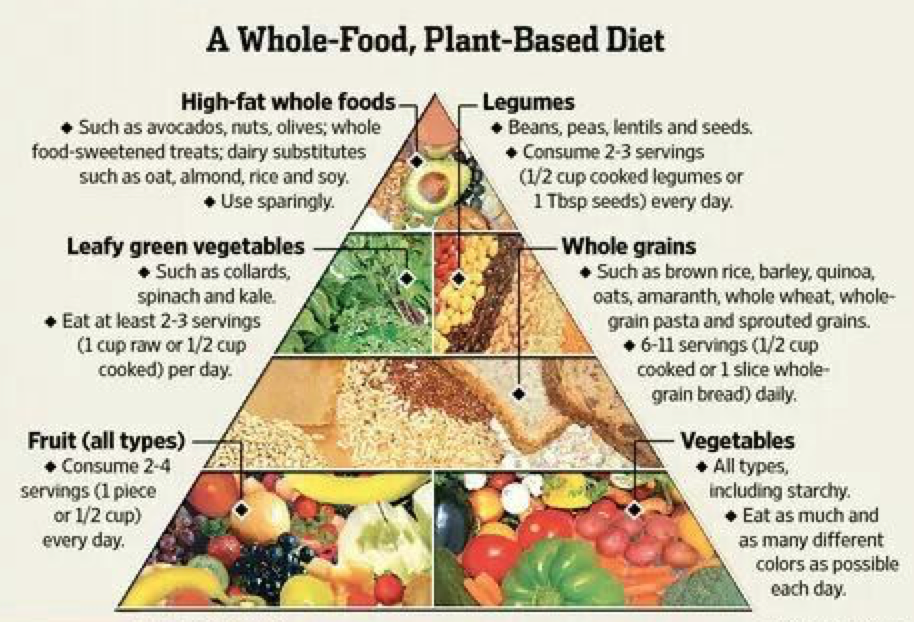
Is a Whole Foods, Plant-Based Diet Right for You?
The work must be attributed back to the original author and commercial use is not permitted without specific permission. MAS was responsible for designing the review protocol, writing the protocol and report, conducting the search, screening potentially eligible studies, extracting and analyzing data, interpreting results and drafting the manuscript. These findings may have important scientific and clinical implications. Clear definitions of a term or concept are necessary to allow for scientifically sound and reproducible results. According to Kampourakis, any kind of scientific discourse “has to involve concepts, the meaning of which ought to be clear among those participating in the discourse” [32]. The greater the flexibility in definitions and concepts, the less likely research findings are to be true [33].
The risk of diabetes in vegans was 47% lower than in meat-eaters, and this was attenuated to 1% and non-significant after adjusting for BMI (there were only 26 cases among vegans)(23). The interpretation of these findings is that vegetarians and vegans in this population have a substantially lower risk of diabetes than meat-eaters, which appears to be largely or entirely due to their lower BMI. Dark green vegetables are good plant sources if you eat enough of them.
Analyzing dietary exposure to critical nutrients on a plant-based diet using the food- and total nutrient index
Figure 1 includes descriptions of the pre-defined dietary groups. This review is based largely on results from EPIC-Oxford (the European Prospective Investigation into Cancer and Nutrition Oxford cohort), with some results from the earlier Oxford Vegetarian Study and from the UK Biobank (2–4). UK Biobank is a cohort of 500,000 men and women in the UK established between 2006 and 2010; recruitment was not targeted at vegetarians, but due to the large size of the cohort it includes several thousand vegetarians and several hundred vegans. In this review we describe the relationships of plant-based diets with nutritional intakes, physiological and biochemical characteristics, and long-term health. You don’t need to go full vegetarian or vegan (avoiding all animal products, even eggs and dairy) to get the best heart health benefits. The focus should be on eating more of the right plants, avoiding the wrong kind, eliminating unhealthy foods, and moderating your intake of healthier animal products.
Potentially deleterious differences noted in people following plant-based diets are the lower average intakes and plasma concentrations of vitamin B12, vitamin D and calcium (in vegans). Although not discussed in detail here, vegans also typically have low plasma concentrations of long-chain n-3 fatty acids, and low intakes of iodine unless they consume seaweed, fortified food, iodised salt or supplements. For all these nutrients more research is needed to determine whether there are adverse effects on health endpoints and importantly whether any risks can be prevented by adequate food fortification and/or supplementation, for example for vitamin B12.
These nutrients are vital to the optimal functioning of our eyes, immune system, muscles, heart, nerves, skin, gut, brain, and more. Fruits and vegetables are especially considered powerhouses when it comes to delivering vitamins and minerals. However, many people following WFPB diets eat more or fewer animal products depending on their specific dietary needs and preferences.
Health News
Begin by cutting out one animal product at a time,” Patton suggests. A plant-based diet is similar to veganism, so it’s easy to confuse the two and you may see the terms used interchangeably. This article is part of a Special Issue “A plant-based diet and cardiovascular disease”.
As an added bonus, a plant-based diet can also reduce your expenses. According to research, a plant-based diet could cut your food expenses by up to 33%. The EAT-Lancet Commission recently designed a universal flexitarian “planetary health diet” designed to be a sustainable way to feed the growing global population.
If you’re new to plant-based diets, slowly add vegetarian meals into your lifestyle. Build these meals around a base of beans, vegetables, and whole grains. Use meat as a side dish instead of your main course if you choose a plant-based diet that allows some animal products.